
Small Acts, Big Change
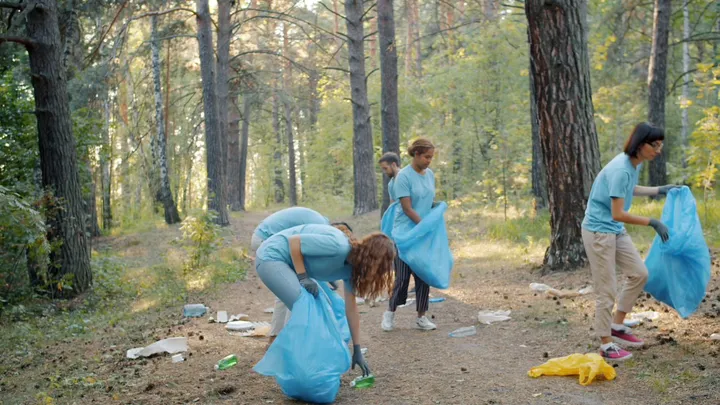
Could picking up just 3 pieces of trash actually change the world? In our first episode, we start with the size of the problem and end with a habit that takes less than a minute a day.
Every year, people around the world generate 2 billion tons of waste. About 20 million tons of plastic ends up littered in rivers, parks and open spaces, and global waste is on track to grow 75% by 2050. Faced with numbers that big, it’s easy to shut down. The 3 Pieces Pledge offers a smaller place to start.
The real power isn’t the 3 pieces you collect. It’s the signal you send. We dig into the broken windows theory, the idea that small signs of neglect tell people nobody cares, and the 1969 abandoned-car experiment that showed how fast disorder spreads when it does. Then we get practical: five science-backed ways to turn picking up trash into something you do without thinking.
In This Episode
- 0:00 The big question: can 3 pieces of trash change the world?
- 0:21 How big the problem is: 2 billion tons of waste a year
- 1:09 Where to start: the 3 Pieces Pledge
- 1:46 The broken windows theory and the signal litter sends
- 2:41 The 1969 experiment: one car in the Bronx, one in Palo Alto
- 3:17 Five ways to build the habit: if-then plans, make it easy, habit stacking, track it, reward yourself
- 4:05 From one person to a whole community
The next time you see a piece of litter on the ground, remember it’s not just trash. It’s a signal. Which one are you going to send?
Read the TranscriptHide the Transcript
0:00 Okay, today we're going to dig into a really fascinating idea: how a tiny habit, something that takes less than a minute a day, can actually set off this incredible chain reaction of positive change. Let's get right into it.
0:12 So here's the big question, right? It sounds almost crazy. Could picking up just three pieces of trash actually change the world? Well, to even begin to answer that, we first have to get a handle on just how big the problem we're talking about really is.
0:27 Look at this. Every single year, all of us globally generate 2 billion tons of waste. That number is so huge, it's honestly hard to even picture in your head, but that's the mountain we're looking at. Now, out of that massive amount, about 20 million tons of plastic ends up where it shouldn't be, littered in our environment. It's clogging up rivers, it's hurting wildlife, and it's just trashing our beautiful natural spaces.
0:53 And here's the real kicker, the part that should get our attention. If we just keep doing what we're doing, that global waste number is on track to jump by 75% by the year 2050. I mean, you don't have to be a scientist to know that we just can't sustain that.
1:09 So faced with all that, where do you even start? Well, the answer might be way, way simpler than you'd think. Instead of getting overwhelmed and just shutting down, a movement called 3 Pieces offers a really tangible, doable starting point for pretty much anyone. And that's it. That is the entire pledge: just make it a habit to pick up three little pieces of litter every single day.
1:32 See, it's not about some grand, sweeping gesture. It's a tiny mindset shift, a small, repeatable action. But the real magic here isn't just in the three pieces of trash you collect. It's in the signal you send when you do it.
1:46 And this is where things get really interesting, because this simple act of tidying up connects to some pretty deep ideas in social psychology. You see, picking up trash isn't just about cleaning. It's about communicating that you care about a place, and that has this surprising ripple effect.
2:02 It's a concept called the broken windows theory. And the basic idea is that small signs of neglect, you know, things like litter, graffiti, or literally one broken window that nobody fixes, they send out this powerful message. The message is: no one is in charge here, no one cares. And that kind of environment can actually make more disorder, and even more serious crime, feel okay.
2:26 This quote from the original article that introduced the whole theory back in 1982 just nails it: one unrepaired broken window is a signal that no one cares. When it looks like nobody cares, it feels like there are no consequences for making things worse.
2:41 This isn't just a theory, either. It was demonstrated in this brilliant experiment back in 1969. The psychologist Philip Zimbardo left two identical cars abandoned in two very different places. One was in the Bronx, which at the time was showing visible signs of neglect. The other was in a really affluent, tidy neighborhood in Palo Alto, California.
3:00 The result? The car in the Bronx was attacked within minutes and completely stripped for parts in less than a day. The one in Palo Alto? It sat there untouched for over a week. The only difference was the environment. It proves that a signal of apathy is like an open invitation for more disorder.
3:17 Okay, so we get the theory. But how do we actually turn picking up three pieces of trash into a real, lasting habit? Because doing something once is easy. Making it automatic? That's the secret sauce. And luckily, science has given us a pretty clear roadmap for that.
3:34 You know, the key here isn't really about willpower. It's all about strategy. First, use if-then plans. So, if I'm walking from my car to the office, then I will pick up three pieces. You're creating a specific trigger. Second, make it super easy. Keep a little bag or some gloves in your car. Then try habit stacking: tack it on to something you already do every day, like right after you walk the dog. Number four, track it. It feels good to see your progress build. And finally, reward yourself. Just take a second to feel that little hit of satisfaction. That's what reinforces the habit loop in your brain.
4:05 All right, let's just bring it all home. It always, always starts with just one person making a conscious choice to do something, no matter how small it seems. And with the right strategies, that one little action turns into an automatic, effortless part of your daily life.
4:23 And that personal habit, it sends a signal. It starts to reverse that broken windows effect, and it inspires this feeling of collective care that can lift up an entire community. And that community transformation, when it's multiplied by thousands and thousands of neighborhoods all over the world, directly cuts down the river of pollution flowing into our environment. It's a real, tangible step toward a healthier planet for every single one of us.
4:47 So the next time you're out walking around and you see a piece of litter on the ground, just remember: it's not just a piece of trash. It's a signal. Choosing to walk past it sends one kind of message. And choosing to pick it up, well, that sends a completely different one. So the only question left is: which signal are you going to send?